

The kitchen
What Brazilian sushi actually is
Cream cheese, mango and passion fruit in a maki roll. Where that comes from, and what it looks like on our list.
Order sushi in Athens and you will usually get the Japanese version of it, cooked to a set of rules that have not moved much in decades. That is a good thing and there is plenty of it in this city. Brazilian sushi is a different tradition with a different set of instincts, and people meeting it for the first time often assume it is a mistake.
It is not a mistake. It is what happened when sushi spent seventy years in São Paulo.
Where it comes from
Brazil has one of the largest Japanese communities outside Japan, concentrated in São Paulo, and it has been there long enough to have produced its own cooking rather than an imported copy of somebody else's. Sushi arrived, met a country with year-round tropical fruit, a national fondness for cream cheese and no particular reverence for the rulebook, and changed.
The result is a cuisine that a Tokyo purist would not recognise and a paulistano would call ordinary. Neither of them is wrong. It is simply a second tradition, the way Neapolitan and New York pizza are two things rather than one thing done badly.
The tells
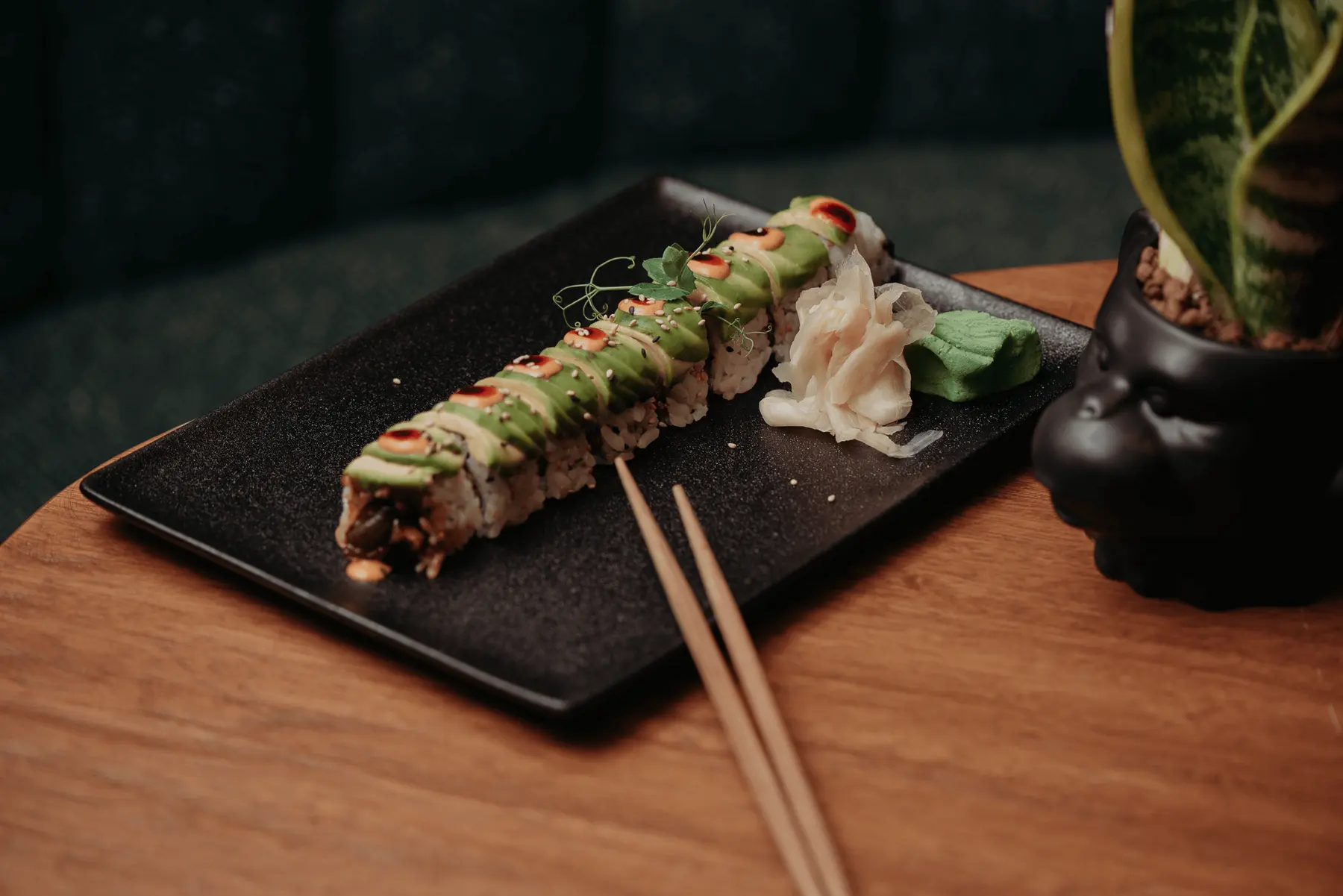
Four things usually mark a roll as Brazilian rather than Japanese. Cream cheese, which appears without apology. Fruit, most often mango or passion fruit, used as an ingredient rather than a garnish. Frying, either of the roll itself or of something inside it. And sauces, applied generously where a Japanese roll would be left alone.
None of those is a gimmick in context. Passion fruit against raw salmon does the job that citrus does in a ceviche, which is to say it cuts fat with acid. Cream cheese carries chilli. Mango against tuna works for the same reason mango works against pork. The logic is sound; it is just not the logic Japanese sushi uses.
How our list is arranged
There are three tiers on our sushi list and they are not interchangeable, so it is worth knowing which one you are ordering from before you decide whether you like Brazilian sushi.
The traditional rolls are exactly that: eight pieces, no fruit, no cream cheese unless the name says so. Avocado, maguro and sake hosomaki sit at the plain end, single-ingredient and cut small. If somebody at the table wants sushi to taste the way sushi has always tasted to them, this is the part of the menu to point at, and nobody will be made to feel provincial for ordering it.
The signature rolls are where Brazil arrives. The crab roll is spicy crab and shrimp with avocado and a passion fruit sauce. The Rio has eel, shrimp and sea bass with avocado and mango. The tempura roll pairs fried shrimp with mango and sweet chilli. The salmon roll carries lime wasabi mayo, cream cheese and jalapeno, which is about as clear a statement of the genre as exists.
The meat rolls, which surprise people most
There is a third section, three rolls, all built on Australian wagyu tartare rather than fish. The mango beef roll has philadelphia, mango, spicy mayo and teriyaki. The berry roll swaps the mango for blueberry and raspberry. The truffle roll drops the fruit and uses truffle mayo and crispy tempura flakes instead. Raw beef in a maki roll sounds wrong until the first piece, and then it does not.
Raw beef, soft cheese and fruit in a maki roll is the point at which most people either commit to the idea or decide it is not for them. It is the most Brazilian thing on the list, and it is the dish we get asked about most by people who have just watched the next table order it.
Sashimi, tacos and the rest
If rolls are not what you came for, the sashimi special is four pieces: salmon with spicy passion fruit and sliced jalapeno, or sea bass with pineapple, fresh coriander and baby celery. Those two plates are the clearest short version of the whole idea, because the fish is untouched and the tropical element sits beside it rather than inside it.
There are also taco poke, served as two, and poke bowls in salmon or tuna. And there are three combos for a table that would rather not choose: a seasonal sashimi selection, a nigiri and hosomaki combination, or Maki Lovers, which is the largest and the one to order when nobody can agree.
All of it travels, which is not true of every kind of sushi. If you want it at home rather than here, it is on the delivery list.
What to order the first time
If you have never had Brazilian sushi, order one traditional roll and one signature roll and eat them in that order. The contrast is the education, and it takes about ninety seconds.
If you already know you like it, the Rio and the crab roll are the two that most people come back for. If you are with somebody sceptical, the sashimi special is the gentlest possible introduction, because it is recognisably sashimi with one good idea attached.
And if sushi is not really what you are here for, it sits on the same menu as the grill and the ceviche, which is its own kind of argument. The South American side of the kitchen is a different piece of writing.
Frequently asked questions
- What is Brazilian sushi?
- Sushi as it developed in Brazil, particularly in Sao Paulo, where a large Japanese community has been cooking for generations. It typically uses cream cheese, tropical fruit such as mango and passion fruit, frying, and more sauce than a Japanese roll would carry.
- How is Brazilian sushi different from Japanese sushi?
- Japanese sushi keeps the fish central and the additions minimal. Brazilian sushi treats the roll as something to build on, so cream cheese, mango, passion fruit and fried elements are normal rather than exceptions. Both traditions are on our list and kept separate.
- Do you serve traditional Japanese-style rolls too?
- Yes. The traditional section is eight-piece rolls without fruit or cream cheese: avocado, maguro and sake hosomaki at the plain end, then California roll and Tuna Volcano. If you want sushi that tastes the way sushi has always tasted, order from there.
- What is in the meat sushi rolls?
- Three rolls built on Australian wagyu tartare instead of fish, eight pieces each: mango beef with philadelphia and teriyaki, berry roll with blueberry and raspberry, and truffle roll with truffle mayo and tempura flakes.
- Can I get Brazilian sushi delivered in Athens?
- Yes, the sushi list is available for delivery between 09:00 and 23:30 every day. The delivery page lists the platforms and the area covered.