

The kitchen
Picanha, and where it sits on a Greek table
The Brazilian cut most butchers here divide into something else, how we cook it, and what to order beside it.
Picanha is the cut Brazil would choose if it were only allowed one. In Athens it is still unusual enough that people order it to find out what it is, which is a reasonable way to meet it.
This is what it actually is, how we cook it, and what else on the grill is worth knowing about if you decide it is not for you.
What picanha is
It is the cap of the rump, the triangular muscle sitting on top of the hindquarter with a thick layer of fat along one side. In Brazil it is the centre of churrasco. Elsewhere it is often not sold as a cut at all, because butchers working to a different tradition break the rump up in a way that divides it into steaks with other names.
The fat cap is the whole argument. It is not trimmed off, it is left on and cooked until it renders down through the meat underneath, which does the seasoning and the basting at the same time. A picanha with the fat removed is just a rump steak, and a disappointing one.
It is not an expensive cut in the way a fillet is expensive. It is a working muscle with a lot of flavour, and what it asks for is heat and attention rather than delicacy.
How ours is cooked
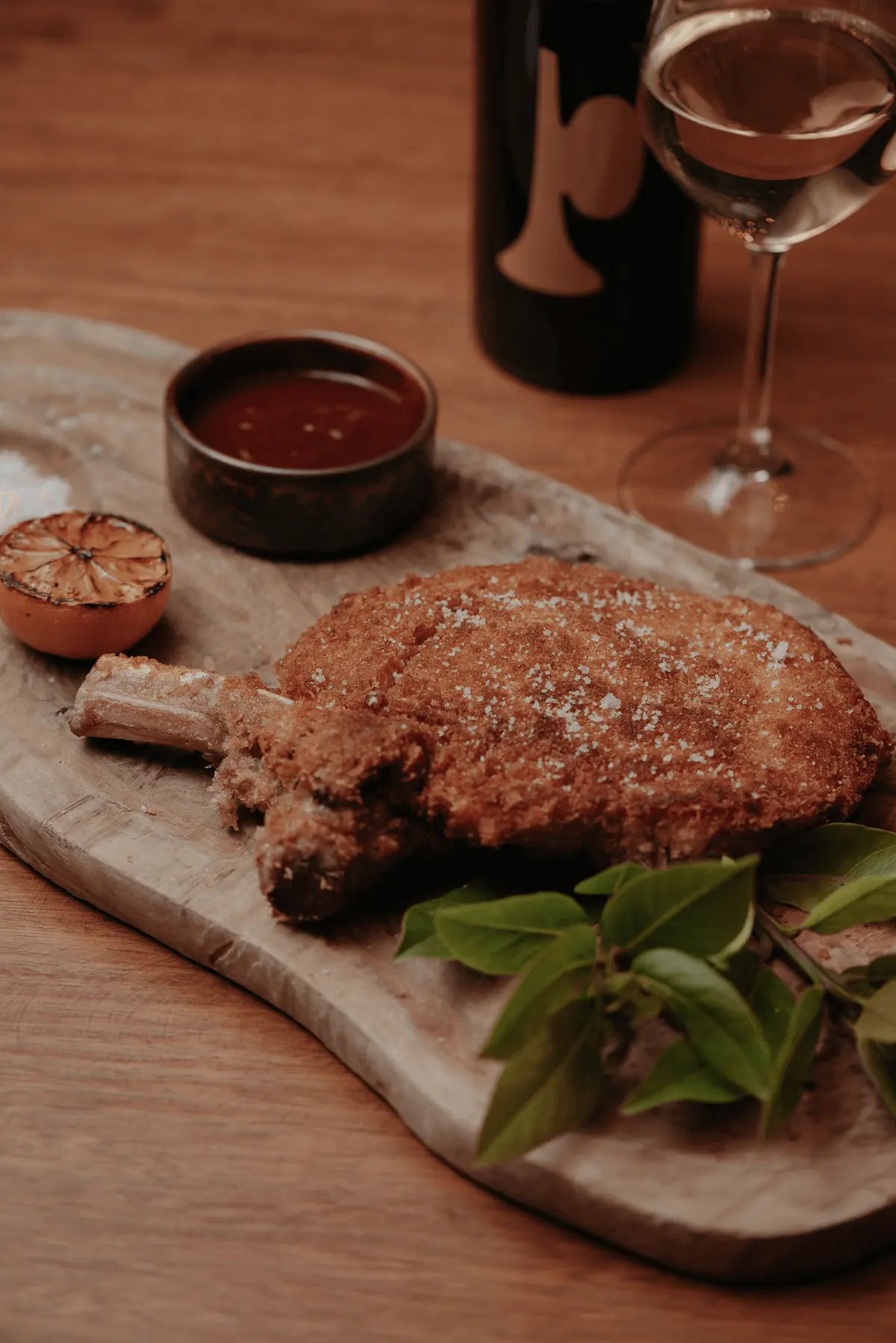
Picanha Brasileira goes into the Josper, a closed charcoal oven, so it takes the smoke of an open grill while holding a heat an open grill cannot. That suits a cut with a fat cap, because the fat needs time to give itself up without the outside burning first. The cap is scored, not trimmed, and it faces the fire for the first part of the cook.
It comes with grilled vegetables, a truffle vinaigrette and mustard pickles. The pickles are the part worth mentioning: a fatty cut wants something sharp next to it, and this is the version of that we settled on.
The rest of the grill, and how to choose
There are four beef dishes on the menu and they are not variations on each other.
The tropical rib-eye is Argentine black angus, served with roasted pineapple and blue cheese. It is the richest thing on the list, and the pineapple is there for the same reason the pickles are: to cut through. If picanha is the cut you order to taste beef, the rib-eye is the one you order to taste fat, and both are legitimate reasons to sit down.
Tagliata de Fraldinha is 32, and fraldinha is the other cut Brazilians will tell you about, the flap from the belly side. It is looser grained, takes marinade well and eats best sliced across. Ours comes with crispy smashed potatoes and chimichurri, which is the Argentine answer to the same problem the pickles solve.
Costillas de Res, beef short ribs at 32, are the slow option: teriyaki, sweet potato puree, herbs. If picanha is about the surface of the meat, short ribs are about what happens underneath over a long time.
What to put beside it
Sides are deliberately plain, because the plate does not need help. Cassava fries are the most Brazilian thing in that column, starchier and sweeter than potato and better at holding salt. Padron peppers are the sharpest. Grilled broccoli is the plainest, and on a table that has ordered two cuts it is the one that gets finished.
The one to argue about is roasted pineapple with blue cheese. It appears on the rib-eye already, and ordering it alongside picanha is either an excellent idea or one step too far depending on the table. It is worth finding out which.
If beef is not the reason you came
The grill is not the whole kitchen. Moqueca de Camarao is a Brazilian shrimp stew with coconut milk, served with aromatic rice, pineapple and coriander, and it is the dish on the list that most surprises people who came for steak. It is the other half of the country's cooking: coastal, soft, and built on coconut rather than charcoal.
Grilled tuna with fried rice, mango and ponzu is 26, sea bream with celery root and saffron is 26, and there is a shrimp and beetroot risotto at the same price. On the vegetarian side there is beetroot risotto with Cabrales, gnocchi with provolone cream and chimichurri, and a quinoa salad with black beans and pineapple.
And if somebody at the table wants none of it, the sushi list is on the same menu, which is a sentence that only makes sense once you know the kitchen runs both.
Ordering it well
Picanha is a sharing cut by instinct even when it arrives as one portion. If there are two of you and you want to understand the grill, order the picanha and the fraldinha and split both. They are the two Brazilian cuts and they make opposite arguments.
Order something acid alongside. The pickles come with it, but a salad with citrus or the padron peppers will do more for the plate than another starch.
The wider South American side of the kitchen runs from Peru to Argentina, and the grill is only one part of it.
Frequently asked questions
- What is picanha?
- The cap of the rump, a triangular muscle with a thick fat layer along one side. It is the signature cut of Brazilian churrasco. The fat is left on and renders through the meat while it cooks, which is what gives it its flavour.
- How is picanha cooked at Iguazu?
- In the Josper, a closed charcoal oven, so it takes the smoke of an open grill at a heat an open grill cannot hold. It is served with grilled vegetables, truffle vinaigrette and mustard pickles, and the fat cap is scored rather than trimmed.
- What is the difference between picanha and fraldinha?
- Picanha is the rump cap, firm grained with a fat cap that bastes it as it cooks. Fraldinha is the flap from the belly side, looser grained and more open textured, which takes a marinade better and is best sliced across the grain. Both are Brazilian, and we serve fraldinha as Tagliata de Fraldinha.
- What is a Josper oven?
- A closed charcoal oven. It gives food the smoke of an open grill while holding a higher and steadier heat, which suits a cut like picanha where the fat needs time to render without the outside burning.
- What should I order with picanha?
- Something sharp rather than another starch. The dish arrives with mustard pickles; padron peppers or a citrus salad do more for it than extra potatoes. Cassava fries are the most Brazilian side on the list, and the one to choose if you are only having one.